
Can You Really Finance 100% of Rehab Costs on a Flip Loan? Short answer: yes,…
Ground-Up Construction Loans for Real Estate Investors

Ground-Up Construction Loans for Real Estate Investors: What You Need to Know
Ground-up construction loans for real estate investors solve a narrow, expensive problem: how to pay for a building that does not exist yet, on land that produces no income, until a certificate of occupancy turns it into a rentable or sellable asset. This is business-purpose financing for rental and resale projects — not an owner-occupied build, and not the homeowner-facing construction mortgage most bank pages describe.
The underwriting question is different, too. A lender reviewing an investor build is testing whether the numbers hold: land cost plus hard costs, soft costs, and an interest reserve on one side, and a credible after-completion value on the other. Your budget, your builder, and your exit — refinance into long-term rental financing or sell — carry as much weight as your credit score. Money arrives in draws tied to inspected milestones rather than in one lump sum at closing, and the note is usually short-term and interest-only while the crew is working.
What follows is written for investors weighing that decision. We cover a plain-English definition of the product, what qualification actually requires (land status, budget, experience, exit strategy), how the funding timeline runs from application through inspections to completion, how these construction loans compare with bridge, fix and flip, and permanent rental financing, and the questions borrowers ask most often.
What a Ground-Up Construction Loan Means for an Investor
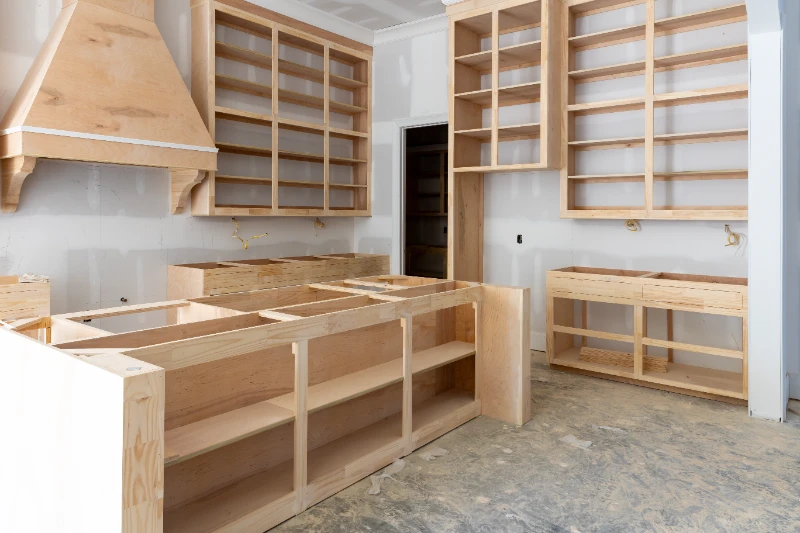
A ground-up construction loan is short-term financing that pays for a new building from bare dirt to a finished, occupiable structure — typically from land acquisition through the certificate of occupancy. There is no existing house to renovate and no existing structure to borrow against. The lender is underwriting a plan: a parcel, a set of drawings, a budget, a builder, and a timeline. This particular version of the product is written for real estate investors building from the ground up on a business-purpose basis — a spec house to sell, a rental to hold, or a small multifamily building to stabilize — not for a borrower financing a primary residence they intend to move into.
That distinction matters more than it sounds. An owner-occupied construction mortgage is generally underwritten around the borrower’s personal income and converts into a long-term consumer mortgage. Investor financing leans on the deal: the value of the land, the cost to build, the projected value when the work is done, and a credible exit — sale, or a refinance into permanent rental property financing such as a debt service coverage ratio loan. Two projects can look identical on a job site and be underwritten in completely different ways depending on which side of that line the borrower sits.
Money arrives in draws, not in one lump. You do not receive the full loan amount at closing. Land or acquisition funds are usually released up front, and the construction budget is disbursed in stages as work is finished and verified — often through an inspection or a third-party progress report before each release. As Matrix Commercial Capital’s glossary entry on ground-up construction loans describes, funds are released in draws as work is completed and verified, running through the certificate of occupancy. Practically, that means your contractor gets paid on the lender’s schedule, so the draw process needs to be part of the job schedule from day one.
Sizing is built from the pieces of the project, not from a single purchase price. A construction facility can be sized against land value, hard costs (materials, labor, site work), soft costs (permits, architectural and engineering fees, insurance), and an interest reserve set aside to cover the monthly payments during the build. The interest reserve is the piece newer builders miss most often — it is borrowed money that services the loan while the property produces no income.
The term is short and payments are usually interest-only. Investor construction financing is designed to be temporary. LendingStreet’s construction loan guide cites typical terms of 12 to 24 months at roughly 9% to 12% interest, with loan-to-cost around 75% to 85% for experienced builders and 70% to 80% for first-timers, and notes that these loans are generally interest-only during construction. Because you only pay interest on funds actually drawn, holding costs stay lower early and climb as the balance grows.
Understood that way, these construction loans are less a mortgage than a project line with a hard deadline attached — which is exactly why qualification hinges on the build plan and the exit, not on a W-2.
How Real Estate Investors Qualify for Construction Financing
Underwriting a build is less about your paycheck and more about whether the project pencils out. Lenders reviewing business-purpose construction loans generally work through five things: the land, the budget, the exit, the borrower, and the builder. Knowing what each one is testing helps you predict a decision before you spend money on plans.
Land status. Where you stand on the lot changes the entire structure of the deal. If you already own the parcel free and clear, its appraised value can count toward your equity contribution, which reduces the cash you need at closing. If the lot is under contract, the acquisition is usually folded into the same closing so the land and the build fund together. If you’re still shopping, most lenders will wait — they need a specific address, a survey, and confirmed zoning and utility access before they can size anything. Entitlement problems are the quiet deal-killer here: a lot that can’t legally support the unit count in your plans won’t support the loan either.
Project budget. Expect a line-item review, not a lump sum. Matrix Commercial Capital’s glossary of ground-up construction lending describes sizing that combines land value, hard costs, soft costs, and an interest reserve. Hard costs are the physical build — site work, materials, labor. Soft costs cover architecture, engineering, permits, insurance, and legal. The interest reserve funds your monthly payments during construction so you aren’t paying out of pocket while the property produces nothing. Most underwriters also want a contingency line, commonly 5–10% of hard costs, and they’ll compare your total cost basis against an appraised as-completed value. If the budget lands too close to that value, the file usually gets restructured or declined.
Exit strategy. Because these are short-term, interest-only instruments — LendingStreet’s construction loan guide cites typical terms of 12 to 24 months at roughly 9–12% interest — the lender is underwriting your payoff as much as your build. Three exits are standard: sell the finished property, refinance into a DSCR home loan and hold it as a rental property, or roll into longer-term permanent financing. If the plan is a refinance, run the projected rent against the future payment now. A debt service coverage ratio that only works at optimistic rents is a weak exit, and experienced underwriters will say so.
Credit and experience. Leverage tracks track record. LendingStreet reports loan-to-cost around 75–85% for experienced builders versus 70–80% for first-timers, meaning a first project typically demands more cash in the deal. Lenders commonly ask for a schedule of completed projects, credit history, liquidity to cover the down payment plus reserves for overruns, and a background check on the entity taking title. First-time builders aren’t shut out, but they’re expected to compensate — more equity, a licensed general contractor with a verifiable résumé, or a smaller starting project.
Borrower and builder profile. Underwriters want a coherent story: an entity structure that matches the exit, a realistic construction timeline, and a builder they can verify through licensing, insurance certificates, references, and a signed contract with a fixed or guaranteed-maximum price. Gather those documents before you apply, and the approval conversation moves considerably faster.
The Funding Timeline From Application to Final Draw
Ground-up money does not arrive in one wire. It arrives in pieces, and each piece is earned. Here is the sequence an investor should expect from first phone call to final sign-off.
1. Application and initial review. You submit three packages at once: borrower, property, and budget. Borrower documents cover credit, liquidity and reserves, entity paperwork for the LLC taking title, and a schedule of real estate owned that demonstrates build or renovation experience. Property documents cover the land — deed or purchase contract, zoning confirmation, permits or permit status, and the survey. The budget package is the one investors underprepare: a line-item cost breakdown, stamped plans, the general contractor’s contract and license, and a realistic completion date. Weak budgets stall files more often than weak credit.
2. Underwriting and approval. The lender orders an as-completed appraisal, has a third party review your cost breakdown for feasibility, and vets the builder. Sizing is built from the ground up too — land value plus hard costs plus soft costs plus an interest reserve, as Matrix Commercial Capital’s ground-up construction loan glossary entry lays out. That interest reserve matters, because a build site produces no rent, so the loan funds its own carrying cost during construction. Approval also fixes leverage as a share of total cost rather than value; LendingStreet’s investor construction guide puts typical loan-to-cost at 75–85% for experienced builders and 70–80% for first-timers, on terms of 12–24 months.
3. Closing and the initial advance. At closing the lender either funds the land purchase or releases equity in land you already own, then advances an initial amount for permits, site work, and mobilization. The draw schedule is signed here — so read it before you sign, not after your framer is waiting on payment.
4. Draws tied to milestones. Funding typically moves across five to seven stages: foundation, framing, mechanical rough-in, drywall, finishes, and completion. You request a draw when a stage is done. Interest accrues only on the drawn balance, which is why an aggressive early draw request costs you more than most first-time builders expect.
5. Inspection before every release. A lender-assigned inspector visits the site and verifies the work described in the request actually exists. Lien waivers from subs and updated invoices usually accompany the request. Nothing funds until that verification clears, so schedule inspections ahead of your contractor’s payment deadlines rather than after them.
6. Completion and exit. The final draw releases at certificate of occupancy or equivalent local sign-off. From there the short-term note has to go away. Investors holding the property refinance into permanent rental financing — often a DSCR home loan sized on the property’s operating income — while spec builders pay off from sale proceeds. Construction-to-permanent structures convert automatically; standalone construction loans require you to source that take-out yourself, which means starting the refinance conversation around the drywall stage, not after the final inspection.
How Ground-Up Construction Loans Compare With Other Investor Financing
The phrase “construction loan” covers two very different products. The owner-occupied version funds a residence the borrower intends to live in, and underwriting leans on personal income, debt-to-income ratio, and credit — often as a single-close construction-to-permanent structure that converts into a long-term mortgage. Aspire Mortgage’s construction home loan page walks through that homeowner path. Business-purpose ground-up financing works differently: the file is underwritten around the deal itself — land value, the builder’s contract, hard and soft costs, the appraised value at completion, and a documented exit. Loan sizing is commonly assembled from land value plus hard costs, soft costs, and an interest reserve, as Matrix Commercial Capital’s glossary entry describes, with money released in draws as verified work is completed through certificate of occupancy.
| Financing type | Built for | Typical structure | Underwriting centers on |
|---|---|---|---|
| Investor ground-up construction | Building new rental or resale inventory from land | Short term, interest-only, funded in milestone draws | Budget, builder, completed value, exit strategy |
| Owner-occupied construction mortgage | A primary residence the borrower will occupy | Often one close, converting to a permanent mortgage | Personal income, credit, debt-to-income ratio |
| Bridge home loan | Acquiring or repositioning a standing asset quickly | Short term, interest-only, closed on the asset | Property value and the refinance or sale exit |
| Fix and flip | Renovating an existing structure for resale | Purchase plus rehab budget released in draws | As-is value, rehab scope, after-repair value |
| DSCR home loan | Holding the finished property as a rental | Long-term amortizing loan on the completed asset | The property’s operating income and debt service coverage ratio |
Bridge financing is genuinely faster when a building already exists. There is no builder to vet, no permit set to review, and no construction budget to line-item, so a bridge home loan usually closes on a shorter runway — useful when a seller wants a non-contingent offer. What it will not do is fund vertical construction on a schedule of inspections.
Fix-and-flip financing sits between the two. Because the shell is standing, the scope is smaller, the timeline is shorter, and the permitting risk is lower than a raw-land build. That makes total interest cost lower on comparable spreads. It is the wrong tool when there is nothing on the lot yet.
Permanent rental financing is the natural landing point for a hold strategy, not a substitute for build capital. Once a certificate of occupancy is issued and the unit rents, a DSCR home loan qualifies on the property’s cash flow rather than personal income documents, which is a structural advantage no short-term product matches. It also requires a finished, income-producing asset — it cannot pay a framing draw.
The tradeoff on ground-up money is duration and price. LendingStreet’s construction loan guide cites typical terms of 12 to 24 months, interest in the 9% to 12% range, and 75% to 85% loan-to-cost for experienced builders versus 70% to 80% for first-timers, with payments interest-only during the build. Investors should read those numbers as a clock: weather delays, inspection failures, or a slow certificate of occupancy push a project toward extension fees while the permanent takeout waits. Sequencing the exit — sale, or refinance into long-term rental financing — before the first draw is what keeps the capital stack from breaking.
Frequently Asked Questions About Ground-Up Construction Loans
What exactly is a ground-up construction loan?
It is short-term financing that pays to build a brand-new structure on vacant or cleared land, starting with the lot and ending when the local building department issues the certificate of occupancy. Rather than wiring the full amount at closing, the lender holds the money and releases it in draws as each phase of work is finished and verified, as this glossary entry on ground-up construction lending describes. For an investor, that structure matters: you only pay interest on what has actually been drawn, so carrying costs stay lower in the early months when the site is still dirt and permits.
How does a real estate investor qualify for one?
Lenders underwrite the project first and the borrower second. Expect to bring five things to the table: site control (land you own or are buying with the same closing), a full set of permitted plans, a line-item budget with a contingency, a licensed general contractor with references and insurance, and a written exit strategy — sell on completion or refinance into long-term rental financing. Underwriting also looks at liquidity for the down payment plus reserves, credit history, and how many similar builds you have completed. From there the sequence is fairly consistent: submit the scope and budget, get a term sheet, order the appraisal on the as-completed value, close on land and construction together, then draw against milestones until the project is done and the take-out loan or sale pays off the balance.
How is the loan amount calculated?
Sizing is usually built from land value, hard costs (labor and materials), soft costs (permits, architectural, engineering, insurance), and an interest reserve that covers monthly payments during the build. Lenders then cap the total against loan-to-cost and against the as-completed appraised value, funding whichever number is lower. One investor guide to construction financing puts typical terms at 12 to 24 months, interest-only during the build, rates in the 9 to 12 percent range, and loan-to-cost around 75 to 85 percent for experienced builders versus 70 to 80 percent for first-timers. Treat those as market ranges to check against live quotes, not a promise — pricing moves with the index, the market, and the sponsor.
When does the money actually show up?
In stages. The same guide describes funding typically broken into five to seven draws tied to milestones such as foundation, framing, rough-in for mechanical and electrical, drywall, finishes, and final sign-off. Each request usually needs a draw form, updated lien waivers from subs, and an inspection before funds release. Build that lag into your schedule and your contractor agreement, because the crew often works ahead of the reimbursement. Investors who fund the first phase out of pocket, or who negotiate payment terms with their general contractor, tend to have far fewer job-site delays.
How is this different from a bridge home loan or a fix and flip loan?
A fix and flip loan pays for a property that already exists and needs rehab, so the collateral has standing value on day one. A bridge home loan buys time on an existing asset while you arrange the next step. Ground-up financing starts with no improvements at all, which is why underwriting leans harder on plans, budget, and builder experience, and why the draw discipline is stricter. It is a different risk profile, not just a bigger rehab budget.
What happens when the building is finished?
The construction note is due, so the exit has to be arranged before you break ground, not after. Two common paths: sell the finished property and pay off the balance from proceeds, or refinance into long-term financing and hold it as a rental property. If you plan to hold, a DSCR home loan qualifies the refinance on the property’s operating income — rent against principal, interest, taxes, insurance, and any association dues — rather than personal tax returns, which is why the debt service coverage ratio math is worth running on paper before the first draw.
Can a first-time builder get approved?
Often yes, with tighter terms. Less experience generally means a lower loan-to-cost, more cash in the deal, and closer scrutiny of the general contractor’s track record — the builder’s résumé can carry weight the borrower’s does not yet have. Partnering with an experienced sponsor or starting with a single-unit build is a reasonable way to establish the record lenders want to see.
Is this the same as a construction loan for a home you plan to live in?
No. These are business-purpose loans on investment property, underwritten around cash flow and resale value. Owner-occupied builds follow consumer mortgage rules and a different qualification path, which our construction home loan page walks through separately.
Key takeaway: three things decide whether a ground-up deal works — a budget that survives contact with real subcontractor bids, an exit you could execute in a slower market, and milestones your lender will actually verify and fund on time. Nail those and the financing follows.
Request a quote from Aspire Mortgage to price your build and see how the draw schedule would work on your next project.

