
Can You Really Finance 100% of Rehab Costs on a Flip Loan? Short answer: yes,…
What Is a Business Purpose Loan in Real Estate?

What investors mean by a business purpose loan

Most mortgage rules were written to protect people buying a home to live in. Investors are doing something different: buying, fixing, renting, and refinancing property to produce income. That mismatch is why a separate category of lending exists.
A business purpose loan is credit extended primarily for business, commercial, or investment activity rather than personal, family, or household use. That distinction comes straight from federal lending rules — under Regulation Z, 12 CFR 1026.3, credit extended primarily for a business, commercial, or agricultural purpose is exempt from the disclosure and protection requirements that govern consumer mortgages. A consumer-purpose mortgage funds where you live. A business-purpose mortgage funds an asset you operate.
In real estate, that means financing for a rental property acquisition, a fix and flip project, a bridge home loan between deals, ground-up construction, or the refinance step in a BRRRR strategy. Underwriting typically leans on the property’s operating income and the deal’s numbers — a debt service coverage ratio calculation, for example — instead of W-2 pay stubs.
The label depends on how the money is used and how the transaction is structured, not simply on the property’s address or unit count. The sections below cover which deals fit, what lenders actually underwrite, and the situations where a loan can lose its business-purpose status.
Who uses these loans for rental property, BRRRR, and fix-and-flip deals
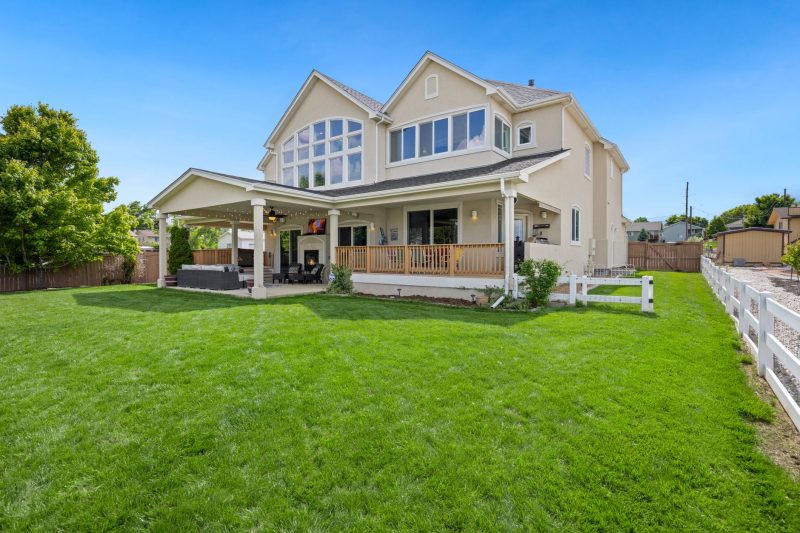
The common thread is intent: the money funds an income-producing property, not a place the borrower lives. That business use is what pushes the credit outside the consumer-protection framework of Regulation Z, and it shapes who these products actually serve.
Long-term rental investors. A buyer adding a duplex or single-family rental usually wants underwriting tied to the property’s operating income rather than pay stubs. A DSCR home loan measures the debt service coverage ratio — rent against the mortgage payment — so a strong lease can carry the file even when personal income is complicated.
BRRRR investors. Buy, rehab, rent, refinance, repeat runs on sequencing. Acquisition and rehab typically come from a bridge home loan or short-term facility, then the stabilized property is refinanced into longer-term rental financing once it appraises and rents. Two loans, one property, two different qualification tests.
Fix and flip borrowers. Here the need is speed and a short horizon: capital to buy and renovate, then repay from resale proceeds. Closing timelines matter more than rate, and a funded pre-approval can support a non-contingent offer on a competitive listing.
Self-employed and entity borrowers. Business owners, contractors, and full-time investors who don’t produce clean W-2 documentation often qualify on the deal instead — rent rolls, purchase contracts, renovation budgets, and reserves. Vesting title in an LLC is standard practice rather than an exception, and interest-only structures are frequently available.
Legal explainers such as Fortra Law’s breakdown of business purpose versus consumer loans treat rental acquisition, flips, and development as the core categories — which mirrors how brokers sort investor deals.
How lenders evaluate the deal, not just the borrower

Consumer mortgages underwrite a person: pay stubs, W-2s, tax returns, debt-to-income. Business purpose loans invert that lens. Because credit extended primarily for business or commercial purposes sits outside Regulation Z’s ability-to-repay framework — see the exemptions in 12 CFR 1026.3 — the underwriter’s central question becomes whether the property and the plan can carry the debt.
Property cash flow. For rental deals, the starting point is the property’s operating income: market or in-place rent, less taxes, insurance, HOA dues, and management. That figure is compared against the proposed payment to produce a debt service coverage ratio. A DSCR home loan at 1.20 means the rent covers the payment with 20% to spare; at 0.95, the property runs short and the lender either reprices, lowers proceeds, or declines. Short-term rental income is usually documented differently from a signed lease, so ask up front which method applies.
Exit strategy. Bridge, fix and flip, and BRRRR loans are short-term instruments, so the lender underwrites how the loan ends, not just how it performs. That means a renovation budget and timeline, comparable sales supporting the after-repair value, and a credible refinance or sale path. Weak comps or a rehab scope that outruns the draw schedule is a common reason a deal stalls in underwriting.
Collateral. Condition, location, unit mix, and marketability drive the appraisal, and the appraisal drives loan-to-value. Purchase-money rental loans are typically sized off as-is value; rehab loans off ARV, with proceeds released in draws as work is inspected.
Borrower profile still matters — credit, liquidity for reserves, and prior project experience all influence pricing and leverage — but it supports the deal rather than defining it. Lenders also test the stated business purpose itself. Attorney and industry guidance, including the California Mortgage Association’s analysis of business purpose loans to individuals, points to factors such as the borrower’s occupation, personal management of the property, transaction size, and the ratio of business income involved.
Common requirements and the situations that can push a loan out of business-purpose territory
Most lenders start with structure and paperwork. Expect to vest title in an LLC or other entity (personal guarantees are common even when the borrower is an entity), and to sign a written statement of purpose plus an occupancy affidavit confirming no one in your family will live in the property. From there, documentation follows the strategy: a purchase agreement and lease or market rent schedule for a rental property, a scope of work and budget for a fix and flip, payoff and exit details for a bridge home loan, and entity documents such as articles of organization, an operating agreement, and an EIN.
Underwriters also weigh intent, not just labels. The five factors drawn from the official commentary to Regulation Z’s exempt transactions rule — how the borrower’s occupation relates to the loan, how personally involved they’ll be in managing the activity, what share of income the property is expected to produce, transaction size, and the borrower’s stated purpose — are how a file gets defended later. As one California Mortgage Association analysis of business purpose loans secured by residential property notes, a loan secured by the borrower’s own residence draws closer scrutiny even when the stated use is investment.
Where deals get reclassified or declined:
- Owner-occupancy. If you, a parent, or a child moves in, the credit looks personal, family, or household in nature — which pulls it back under consumer rules the lender isn’t licensed or priced to handle.
- Mixed-use property. A storefront with an apartment above can work, but the residential share and your own occupancy plans decide it.
- Proceeds used personally. Cash-out that mostly pays personal debt undercuts the business-purpose position, since primary use controls.
- Non-standard assets. Short-term rentals, rural acreage, and heavy rehab usually mean more documentation, not less.
Business purpose loan FAQ for real estate investors
Can I use a business purpose loan on a rental property?
Yes — rental property acquisition is one of the most common uses, alongside development and investment activity. The credit has to be primarily for business or commercial purposes, which is what places it outside the consumer protections in Regulation Z’s exemptions.
How does underwriting differ from a conventional mortgage?
A conventional loan underwrites you: W-2 income, tax returns, personal debt-to-income. Business purpose loans lean on the asset. A DSCR home loan, for example, is sized off the property’s operating income — the debt service coverage ratio — with the lease or market rent doing the work your pay stubs would normally do. Documentation is usually lighter on personal income and heavier on the deal: rent schedules, rehab budgets, entity paperwork, and title.
Do BRRRR and fix and flip deals qualify?
Typically yes. Fix and flip loans, a bridge home loan, and new construction financing all sit under this umbrella, and BRRRR projects usually string two of them together — short-term rehab money, then a refinance into longer-term rental financing.
Are self-employed borrowers a good fit?
Often, since qualification does not hinge on tax return income. A bank statement program is another route worth comparing.
What should I confirm before applying?
Your entity and vesting structure, that no one will occupy the property, and your exit strategy — mixed personal use is what most often breaks business purpose treatment.
How to compare business-purpose financing options before you request a quote
Once you know a deal is business-purpose rather than consumer credit, the next job is narrowing the structure. Five questions do most of the sorting: What is the use case? Does the property produce enough cash flow to cover debt? How strong is the collateral today versus after work? What is the exit — refinance, sale, or long-term hold? And how much documentation are you willing to produce?
Those answers point to different products, all of which can be written as business purpose loans depending on how the deal is set up.
| Structure | Typical use case | Exit | Primary underwriting focus |
|---|---|---|---|
| DSCR home loan | Stabilized rental property, long-term hold | Hold and refinance at maturity | Debt service coverage ratio from the property’s operating income, credit, reserves |
| Bridge home loan | Fast close, seasoning gap, non-contingent offer | Sale or takeout financing, usually within 6–24 months | As-is value, equity, credibility of the takeout |
| Fix and flip | Purchase plus rehab budget | Resale after completion | Purchase price, scope of work, after-repair value, draw schedule |
| New construction | Ground-up build on infill or spec lots | Sale or refinance at certificate of occupancy | Budget, builder experience, land equity, timeline |
| BRRRR financing | Rehab now, refinance into a rental later | Cash-out refinance into long-term debt | Both the rehab math and the eventual rent coverage |
A useful habit is to underwrite the pairing, not just the loan. A property that will not cash flow at today’s rates may still work as a flip; a rehab that stalls becomes a bridge problem. Ask each lender to show you the coverage ratio math or the after-repair value assumptions they used, and confirm how the file documents business purpose — entity vesting, an occupancy affidavit, and a signed purpose certification are common, and they matter because the Regulation Z exemption for credit extended primarily for business, commercial, or agricultural purposes turns on how the credit is actually used.
Lender specialization is real, and it cuts both ways. Some shops are built around rental cash flow: Deephaven, for example, publishes DSCR business-purpose terms that include short-term rental income, loan amounts up to $2 million, up to 80% loan-to-value, and vesting in an LLC — worth a direct look if your deal is a stabilized short-term rental at a higher balance. Others are organized around construction draws and rehab timelines, where speed and inspection process matter more than a coverage ratio. Aspire Mortgage works as a broker across DSCR, fix and flip, bridge, new construction, and BRRRR scenarios in roughly 35 states, which means a single conversation can compare structures — but it also means investors buying outside that footprint will need a local option.
There is no default answer here. The property, the timeline, and your investment strategy decide which structure fits, and the same borrower may use two different loans in the same year.
If you have a specific address, purchase price, and rent or rehab estimate in hand, request a quote and walk through the numbers on that deal.

